
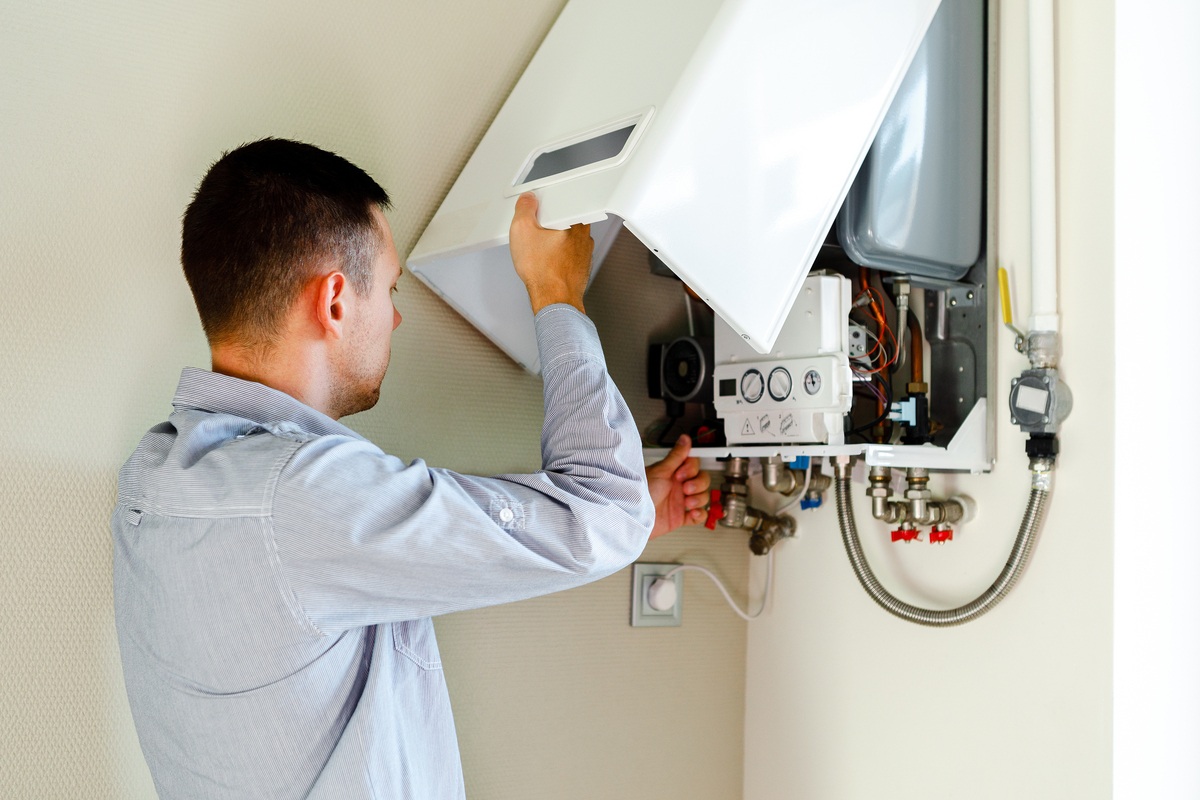
When it comes to water heater installation, the quality of the work determines how long your system lasts and how efficiently it runs. A well-installed unit heats faster, saves more energy, and requires fewer repairs over its lifespan.
At Dick Ray Master Plumber, we focus on installation methods that follow both manufacturer requirements and local Kansas City plumbing codes. Our licensed team understands how to position, connect, and protect your system so it performs at its best from day one.
Pre-Installation Requirements
Selecting the Right Unit for the Home
We start by matching the water heater size to the home’s needs. An undersized system can leave you short on hot water, while an oversized one wastes energy. We also compare heat pump, standard electric, and gas water heaters to ensure the setup matches your family’s use and energy goals.
Electrical and Space Requirements
A proper installation begins with evaluating space and airflow. Heat pump models need room to circulate air. We confirm the correct electrical supply, breaker size, and clearance for servicing so every component remains easy to access.
Pro Tip: Always confirm your unit’s clearance and airflow requirements before installation. Restricting airflow can reduce efficiency and shorten system life.
Best Practices During Installation
1. Positioning and Accessibility
We position each unit where the control panel and filters are easy to reach. The intake air path must remain clear, and there must be space for draining and maintenance.
2. Piping and Connection Standards
We use flexible piping at the hot and cold connections to reduce vibration and prevent stress on fittings. Every installation includes check valves or heat traps at the tank to prevent heat loss through natural convection.
3. Temperature Safety and Mixing Valves
To prevent scalding, we install a thermostatic mixing valve that blends hot and cold water for consistent output. This also lets the tank store water at 140°F for increased capacity and safety against bacteria like Legionella.
Key Takeaway: A mixing valve makes the system safer while effectively increasing usable hot water capacity by 10–15 gallons.
4. Drainage and Leak Protection
Even the best systems can develop leaks. We install a drain pan beneath the heater and route the outlet to a proper drain. If available, we connect leak detection and automatic shut-off controls for added protection.
5. Insulation Requirements
We insulate all hot water piping to meet or exceed IECC standards, ensuring minimal heat loss. Tank insulation blankets are unnecessary for most modern units and can void warranties.
6. Relief Valve Compliance
Each system includes a temperature and pressure relief valve with a discharge line directed within six inches of a floor drain. This keeps discharge water away from electrical parts and reduces burn risk.
7. Heated Water Circulation Protocols
For long pipe runs, we recommend an on-demand circulation pump. It provides hot water faster without wasting energy. Continuous circulation is avoided because it can push the heat pump into inefficient electric-only mode.
8. Safety and Code Requirements
In areas with seismic activity, we install 22-gauge seismic straps. We also ensure all wiring, breakers, and connections comply with local Kansas City plumbing and mechanical codes.
Operating Modes and Homeowner Settings
When to Use Each Mode
Most heat pump water heaters include:
- Economy Mode: Combines heat pump and resistance elements for fast recovery.
- Heat Pump Only: Highest efficiency and lowest cost, best for normal use.
- Resistance Only: Backup mode for emergencies.
- Vacation: Keeps water above the minimum temperature when not in use.
How to Optimize Energy Savings
We recommend using Heat Pump Only mode for everyday operation. During periods of high demand, homeowners can temporarily switch to Hybrid mode.
Pro Tip: Install a mixing valve to store hotter water during off-peak hours and lower costs when rates rise.
After Installation: Maintenance and Service
Routine Maintenance Homeowners Should Expect
Like any system, your water heater needs maintenance. We advise cleaning air filters every 6–12 months and flushing condensate lines annually. Standing water in the pan may signal a blocked line.
Warranty Considerations
Most units include a 6- or 10-year limited warranty. We make sure every installation follows manufacturer standards so warranties stay valid.
When to Call for Service
Contact us if you notice reduced hot water, error codes, or leaks. Our technicians can inspect the system, replace filters, and ensure the heater operates efficiently.
Need expert help with water heater installation or service? Contact Dick Ray for a free consultation.
Split-System Heat Pump Water Heaters
When a Split-System Makes Sense
For smaller or confined spaces, split systems are ideal. The tank stays indoors while the heat pump sits outside. This setup reduces indoor noise, simplifies condensate drainage, and maintains comfort by preventing cool air discharge indoors.
Advantages for Certain Kansas City Homes
Split systems perform well in cold conditions and can use refrigerants like CO₂, which have a lower environmental impact. They’re an excellent option for garages or compact utility rooms where airflow is limited.
Key Takeaways for Homeowners
- Correct sizing ensures efficiency and steady hot water.
- Flexible piping and mixing valves improve safety and comfort.
- Routine maintenance prevents costly repairs.
- Code-compliant installation protects your investment.
Why Homeowners Choose Dick Ray
For over 75 years, Kansas City homeowners have trusted Dick Ray for professional plumbing and heater installation. Our licensed technicians handle every detail from sizing and setup to warranty registration and future maintenance.
Ready to upgrade your water heater? Contact Dick Ray Master Plumber today to schedule your installation or request a quote.