
Springtime Home Specials

Springtime Home Specials

Honest, Upfront Pricing You Can Trust

At Dick Ray Master Service, we believe in complete pricing transparency. No surprises, no hidden fees – just honest pricing for quality work that's backed by our satisfaction guarantee.

4.8 ⭐ rating with 1,400+ Google reviews, BBB A+ accredited, serving Kansas City since 1949, fully licensed mechanical and plumbing contractor, pulseM Customer Advocate Award winner.

Dick Ray Mascot
Dick Ray Critter - April v2

How can we help?

"*" indicates required fields

Repair

Reliable plumbing services for homes & businesses.

Installation

Expert drain cleaning and unclogging solutions

Maintenance

Efficient heating system installation and repair.
Our Pricing Promise - Image 1
Dick Ray Critter - April v2

Our Pricing Promise

Plumbing Services

Pricing - Service Call - Image 1

What’s Included

  • On-site visit from a licensed technician
  • Initial inspection and diagnosis of the issue
  • Basic troubleshooting and system check
  • Clear explanation of the problem and recommended solution
  • Upfront pricing before any repair work begins

Process details

  1. Call or request service
    We gather details about your issue and schedule a visit that fits your timeline.
  2. Technician arrival and inspection
    A licensed technician arrives and performs a full evaluation of your system.
  3. Diagnosis and testing
    We inspect components, test performance, and identify the root cause of the problem.
  4. Clear explanation and pricing
    We walk you through the issue and provide exact, upfront pricing before any work begins.
  5. Approval and next steps
    Once approved, we proceed with the recommended repair or schedule the work if needed.

Why It’s Important

A service call ensures the problem is identified correctly the first time. Guessing or delaying repairs can lead to bigger issues, higher costs, and potential system damage. This step sets the foundation for an accurate and efficient fix.

Signs You Need a Service Call

  • Unusual noises from plumbing or HVAC systems
  • Water leaks or slow drains
  • No hot water or inconsistent temperatures
  • HVAC system not heating or cooling properly
  • Sudden increase in utility bills
  • Any system not working as expected

FAQ's

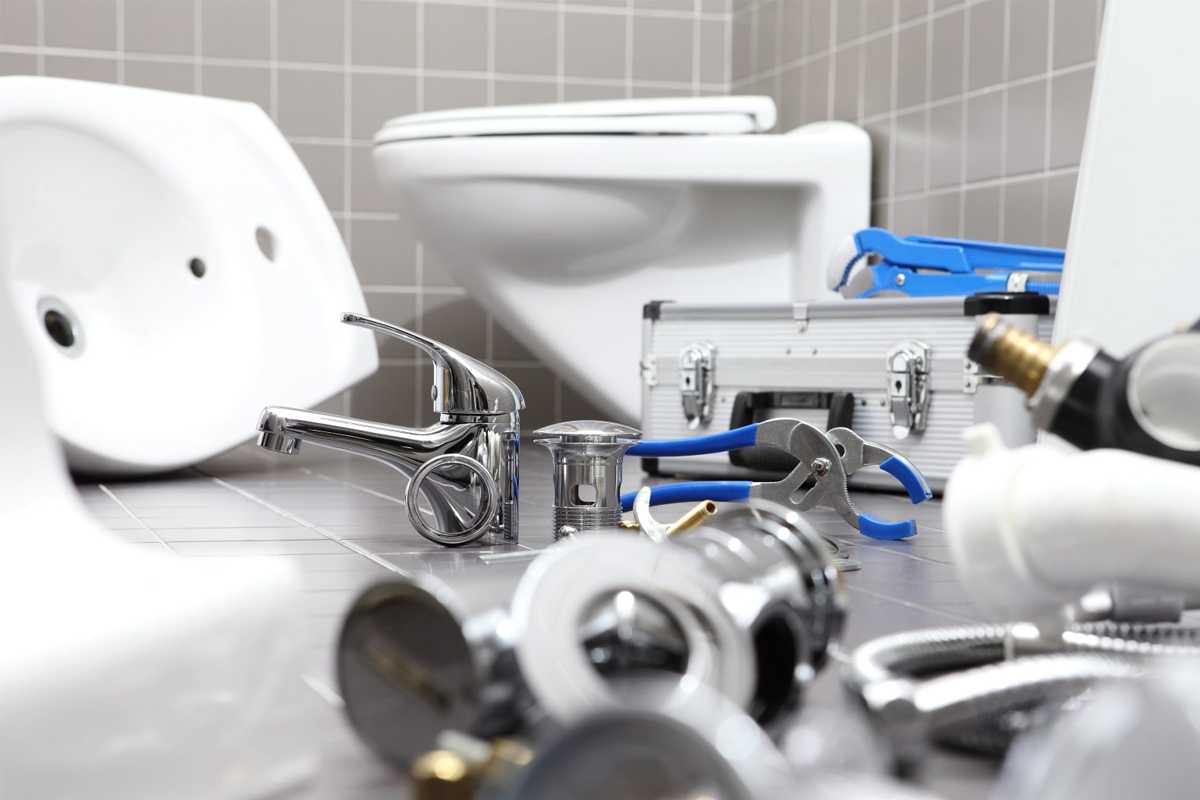
What is the most common plumbing service call?

Common calls include dripping faucets, running toilets, clogged drains, leaky pipes, water heater issues, and low water pressure.
What is the average cost for a service call?
Standard service calls typically range from $89 to $129, depending on the issue and time required.
Do you pay a plumber immediately?
Payment is usually due after the work is completed, once you approve the repair and the job is finished.
How can you tell if a plumber is overcharging?
Watch for lack of written estimates, vague pricing, or pressure to approve large repairs without explanation. We provide clear, upfront pricing before any work begins.
Do you offer same-day service calls?
Yes, we offer same-day service whenever possible, along with after-hours emergency service for urgent issues that can’t wait.
Pricing - Toilet Repair - Image 1

What’s Included

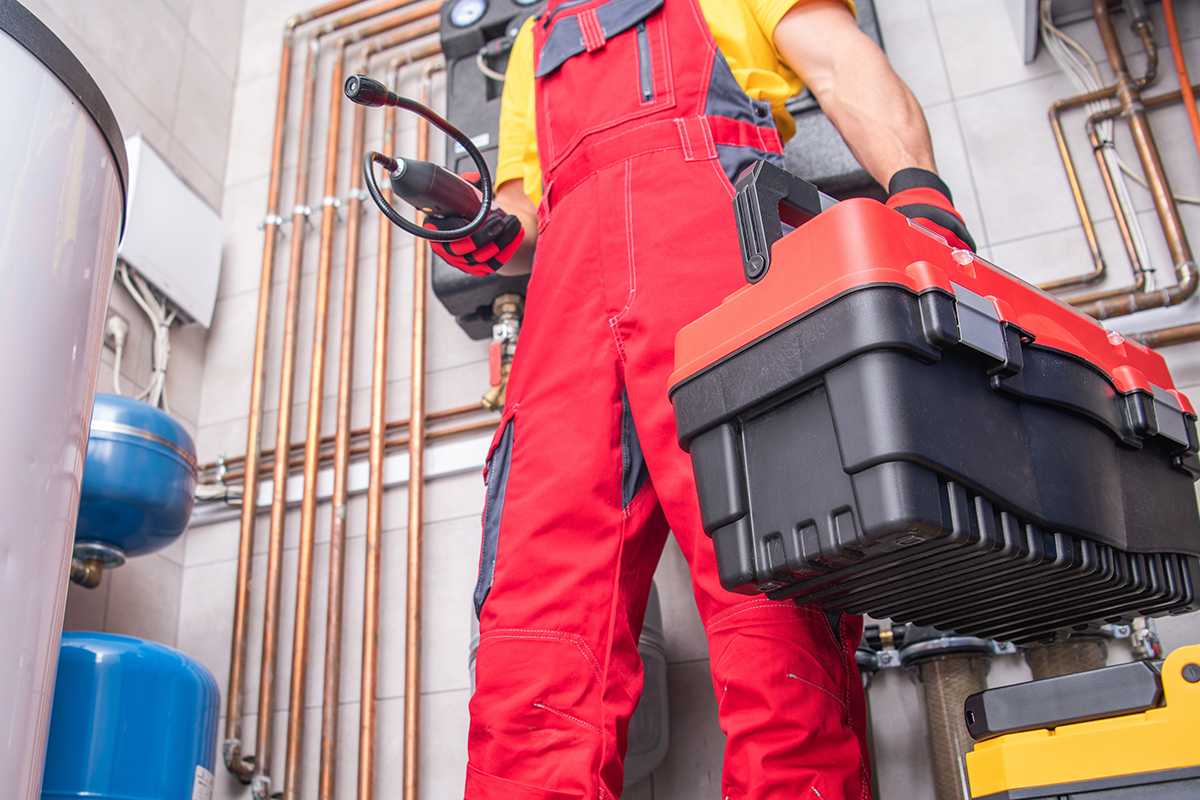
  • Inspection of toilet components (tank, bowl, valves, seals)
  • Diagnosis of leaks, running water, or flushing issues
  • Repair or replacement of common parts (flapper, fill valve, flush valve, wax ring)
  • Adjustment of water levels and flushing performance
  • Leak testing and final system check

Process Details

  1. Call or request service
    We gather details about the issue and schedule your appointment.
  2. On-site inspection
    Our technician checks the toilet, tank components, and surrounding area for leaks or damage.
  3. Diagnosis and testing
    We identify the cause, whether it’s a worn part, a clog, or seal failure.
  4. Clear explanation and pricing
    You receive a straightforward explanation and upfront pricing before any work begins.
  5. Repair and final testing
    We complete the repair, test the system, and confirm everything is working properly.

Why It’s Important

Toilet issues can waste a significant amount of water and increase your utility bill. Fixing the problem early helps prevent hidden leaks, floor damage, and more costly repairs.

Signs You Need Toilet Repair

  • Constant running or phantom flushing
  • Weak or incomplete flush
  • Water leaking around the base
  • The toilet won’t stop filling
  • Frequent clogs or slow flushing
  • Unusual noises after flushing

FAQ's

What is the average cost to repair a toilet?
Most toilet repairs range from $125 to $300, depending on the issue and parts needed.
What is the most common toilet repair?
The most common fix is replacing a worn flapper or faulty gasket, which can cause constant running or leaks.
Do I need a plumber to fix my toilet?
Some minor issues can be handled with DIY fixes, but we recommend a professional when leaks, recurring problems, or internal components are involved to avoid bigger damage.
How do you repair a toilet that keeps running?
We typically fix this by replacing the flapper, adjusting the float, or installing a new fill valve to restore proper operation.
How do I fix my toilet if it's not flushing?

Common fixes include adjusting the fill valve, reconnecting the chain, replacing the flapper, or clearing a blockage, but we can quickly diagnose and repair it if the issue persists.
Pricing - Water Heater Repair - Image 1

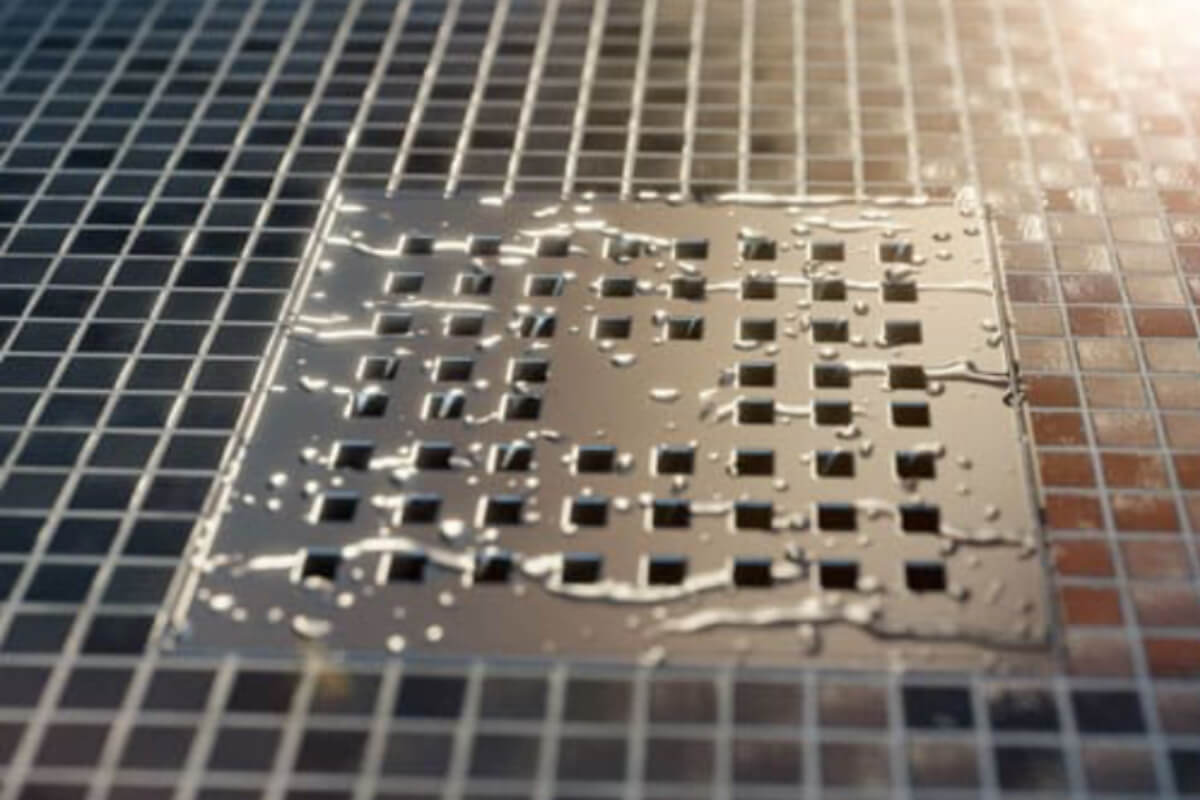
What’s Included

  • Full inspection of the water heater (tank or tankless)
  • Testing of heating elements, thermostat, and electrical or gas components
  • Diagnosis of leaks, temperature issues, or performance problems
  • Repair or replacement of faulty parts (thermostat, heating element, valves, pilot assembly)
  • System reset, safety check, and performance testing

Process Details

  1. Call or request service
    We gather details about your hot water issue and schedule your appointment.
  2. On-site inspection
    Our technician evaluates the unit, checks connections, and looks for visible damage or leaks.
  3. Diagnosis and testing
    We test heating components, thermostat settings, and system performance to find the root cause.
  4. Clear explanation and pricing
    You receive a straightforward explanation and upfront pricing before any repair begins.
  5. Repair and final testing
    We complete the repair, restore hot water, and confirm the system is operating safely and efficiently.

Why It’s Important

Hot water is essential for daily use. Addressing issues early helps prevent complete system failure, water damage, and higher energy costs from an inefficient unit.
Signs You Need Water Heater Repair

  • No hot water or inconsistent temperatures
  • Water takes too long to heat up
  • Strange noises are coming from the tank
  • Rust-colored or discolored water
  • Water is pooling around the unit
  • Sudden increase in energy bills

FAQ's

Is it worth it to repair a hot water heater?
In most cases, yes. Repairs are usually more affordable and restore hot water quickly, but if the unit is older or failing repeatedly, replacement may be the better long-term option.
What is the most common water heater problem?
Sediment buildup in the tank is the most common issue. It reduces efficiency, causes noise, and can lead to premature failure if not addressed.
How often do water heaters fail?
Most traditional water heaters last 6 to 12 years. After that, the risk of leaks and system failure increases significantly.
Who should you call to check a hot water heater?
You should call a licensed plumber. We can inspect the unit, diagnose the issue, and recommend the best repair or replacement option.
What parts commonly fail on a water heater?
The most common failures include the heating element, thermostat, anode rod, and temperature-pressure relief valve, all of which we can test and replace as needed.
Pricing - Drain Cleaning - Image 1

What’s Included

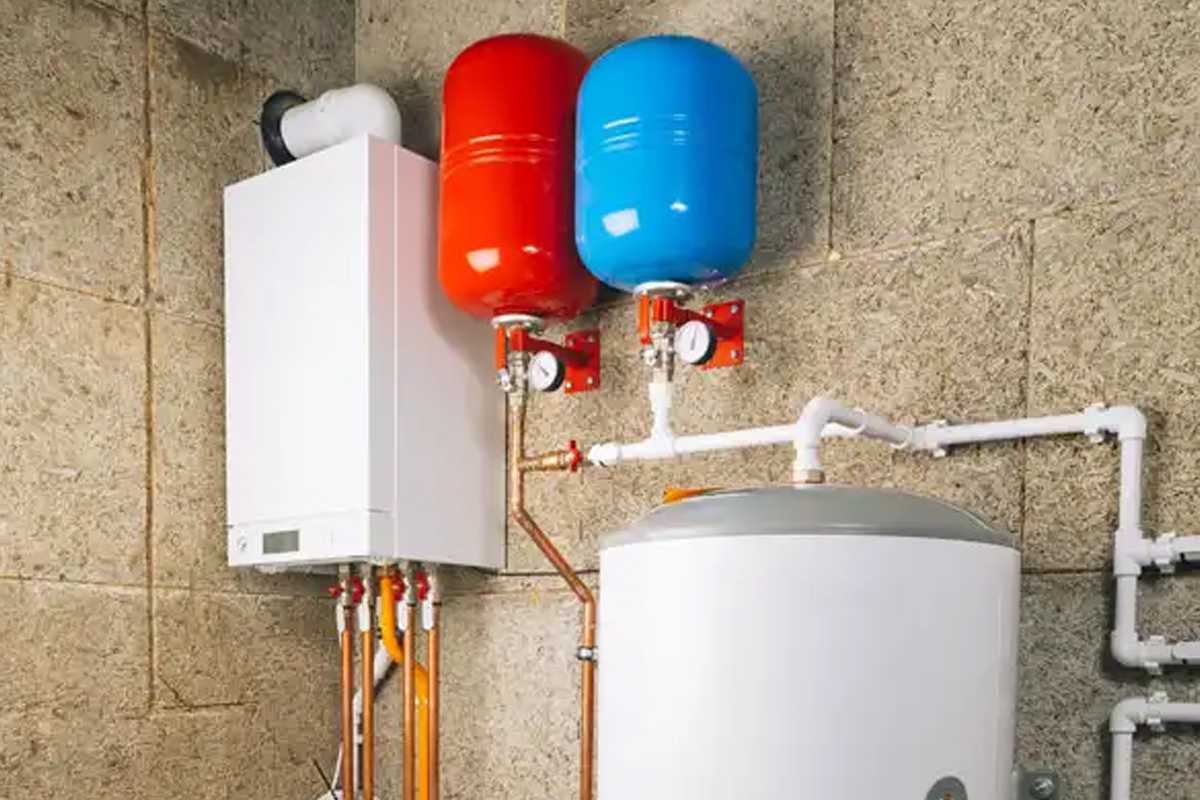
  • Inspection of the affected drain or fixture
  • Identification of blockage type and location
  • Professional drain clearing using augers or drain machines
  • Removal of common clogs (hair, grease, debris, buildup)
  • Flow testing to ensure proper drainage
  • Recommendations to prevent future clogs

Process Details

  1. Call or request service
    We gather details about the clog and schedule your service.
  2. On-site inspection
    Our technician evaluates the drain, checks affected fixtures, and identifies signs of blockage.
  3. Diagnosis and blockage location
    We determine the type and severity of the clog and choose the right method to clear it.
  4. Clear explanation and pricing
    You receive upfront pricing before any work begins.
  5. Drain clearing and final testing
    We remove the blockage, restore proper flow, and test the system to confirm the issue is resolved.

Why It’s Important

Clogged drains can lead to backups, foul odors, and pipe damage. Clearing the issue early helps prevent larger plumbing problems and costly repairs.

Signs You Need Drain Cleaning

  • Slow-draining sinks, tubs, or showers
  • Frequent or recurring clogs
  • Gurgling sounds from drains
  • Unpleasant odors coming from pipes
  • Water is backing up into other fixtures
  • Standing water in sinks or tubs

FAQ's

What is the best way to clean your drains?
For minor buildup, hot water with baking soda and vinegar can help. For real clogs, we use professional tools to fully clear the line and prevent it from coming back.
How much does it cost to clean your drain?
Drain cleaning typically ranges from $125 to $400, depending on the severity and location of the clog.
What should you not put down your drain?
Avoid grease, oils, food scraps, coffee grounds, hair, and chemical products, as these are the most common causes of clogs.
Why shouldn’t you use liquid drain cleaners?
They contain harsh chemicals that can damage your pipes over time and often don’t fully remove the blockage.
What do plumbers use to unclog drains?

We use professional equipment like motorized drain snakes and hydro jetting to safely remove clogs and clean the pipe walls.
Pricing - Water Heater Replacement - Image 1

What’s Included

  • Removal and disposal of the existing water heater
  • Installation of a new tank or tankless water heater
  • Connection to water, gas, or electrical systems
  • Installation of new shut-off valves, connectors, and fittings as needed
  • System startup, calibration, and safety testing
  • Code compliance check and final inspection

Process Details

  1. Call or request service
    We gather details about your current unit and hot water needs.
  2. On-site evaluation
    Our technician assesses your existing system, space, and capacity requirements.
  3. System recommendation and sizing
    We recommend the right unit based on household demand, efficiency goals, and budget.
  4. Clear explanation and pricing
    You receive upfront pricing and options before installation begins.
  5. Installation and final testing
    We install the new unit, test performance, and ensure everything is operating safely and efficiently.

Why It’s Important

An aging or failing water heater can lead to leaks, water damage, and unreliable hot water. Replacing it at the right time improves efficiency, reduces energy costs, and ensures consistent performance.

Signs You Need Water Heater Replacement

  • Unit is 8–12+ years old
  • Frequent repairs or ongoing issues
  • Rust-colored or discolored water
  • Water leaking from the tank
  • Inconsistent or no hot water
  • Rising energy bills due to inefficiency

FAQ's

How much does it cost to replace a water heater?
Most replacements range from $1,200 to $3,500, depending on the unit type, size, and installation requirements.
How long does a water heater typically last?
Most water heaters last 8 to 12 years. After that, efficiency drops and the risk of failure increases.
What are the signs of a failing water heater?

Common signs include leaks, inconsistent or lukewarm water, discolored water, frequent repairs, and a unit over 10 years old.

How long does it take to replace a water heater?

Most standard replacements take about 2 to 3 hours from removal to full installation and testing.
Who should install a water heater?
A licensed plumber should handle installation to ensure it meets code, operates safely, and is set up correctly for long-term performance.

Heating Services

Pricing - Furnace Tune-Up - Image 1

What’s Included

  • Full system inspection and safety check
  • Cleaning of key components (burners, flame sensor, blower area)
  • Air filter check or replacement (if provided)
  • Thermostat calibration and testing
  • Inspection of electrical connections and controls
  • Carbon monoxide and safety testing
  • System performance check and efficiency optimization

Process Details

  1. Call or request service
    We schedule your tune-up at a convenient time before peak heating season.
  2. On-site inspection
    Our technician inspects the furnace and all major components for wear or issues.
  3. Cleaning and adjustments
    We clean critical parts, tighten connections, and fine-tune system settings.
  4. System testing
    We run the furnace to ensure proper operation, airflow, and safety.
  5. Final recommendations
    We review system condition and let you know if any repairs or improvements are needed.

Why It’s Important

Regular furnace maintenance helps prevent breakdowns, improves energy efficiency, and ensures your system runs safely during colder months.

Signs You Need a Furnace Tune-Up

  • Furnace hasn’t been serviced in over a year
  • Uneven heating throughout your home
  • Higher than normal energy bills
  • Strange noises or odors during operation
  • System turning on and off frequently
  • Reduced airflow or longer heating cycles

FAQ's

How much does a furnace tune-up cost?
Our furnace tune-up is a flat $79, making it an affordable way to maintain your system.
Do you really need a furnace tune-up every year?
Yes. Annual maintenance helps prevent breakdowns, improves efficiency, and extends the life of your system.
What month is best for a furnace tune-up?
Early fall, typically September or October, is ideal so your system is ready before colder weather hits.
How do I know if my furnace needs a tune-up?
Signs include no heat, rising energy bills, strange smells, uneven heating, frequent cycling, or an older system.
What is included in a furnace tune-up?
We inspect and clean key components, check the heat exchanger and burners, test safety controls, and ensure the system is running safely and efficiently.

What’s Included

  • Clearing of the main sewer line using professional equipment
  • Removal of common blockages (roots, grease, buildup, debris)
  • Free camera inspection to identify the cause and condition of the line
  • Flow testing to confirm proper drainage
  • Recommendations for repairs or maintenance if needed

Process Details

  1. Call or request service
    We gather details about your issue, such as backups or multiple clogged drains.
  2. On-site inspection
    Our technician evaluates your system and confirms if the issue is in the main sewer line.
  3. Mainline clearing
    We use professional drain machines to break through and remove the blockage.
  4. Camera inspection
    After clearing, we run a camera through the line to check for damage, roots, or buildup.
  5. Final testing and recommendations
    We verify proper flow and provide next steps if any long-term issues are found.

Why It’s Important

Main sewer line clogs can affect your entire home. Clearing the line quickly prevents sewage backups, property damage, and more expensive repairs.

Signs You Need Mainline Clearing

  • Multiple drains are backing up at the same time
  • Sewage smells inside or outside the home
  • Water backing up in tubs or floor drains
  • Gurgling sounds from toilets or drains
  • Slow drainage throughout the house
  • Recurring clogs in different fixtures

FAQ's

How do you clear a mainline clog?
We use professional-grade drain machines to safely break through the blockage, followed by a camera inspection to confirm the line is fully clear.
How long does it take to clear a main line?
Most mainline clearings take 30 minutes to a few hours, depending on the severity of the blockage.
How much does a main line cleanout cost?
Mainline clearing is $79 and includes a free camera inspection.
What causes main sewer line clogs?
Common causes include tree roots, grease buildup, pipe scale, and debris that accumulates over time.
How do I know if my main sewer line is clogged?
Signs include multiple drains backing up, sewage odors, gurgling toilets, or water coming up through floor drains.

What’s Included

  • Removal and disposal of existing HVAC equipment
  • Installation of a new furnace, air conditioning system, or heat pump
  • Proper system sizing based on your home’s layout and square footage
  • Installation of new thermostat and system controls
  • Connection to ductwork, electrical, and gas systems
  • Startup, calibration, and full system testing
  • Code compliance and safety checks

Process Details

  1. Call or request service
    We gather details about your current system, home size, and comfort concerns.
  2. In-home evaluation
    Our technician assesses your existing system, ductwork, and heating and cooling needs.
  3. System sizing and recommendations
    We recommend the right system based on efficiency, performance, and your budget.
  4. Clear explanation and pricing
    You receive upfront pricing and options before installation begins.
  5. Installation and final testing
    We install the system, test performance, and ensure everything is running safely and efficiently.

Why It’s Important

A properly installed HVAC system improves comfort, lowers energy costs, and ensures consistent heating and cooling throughout your home.

Signs You Need a New HVAC System

  • System is 10–15+ years old
  • Frequent repairs or breakdowns
  • Uneven temperatures throughout the home
  • Rising energy bills
  • Poor airflow or humidity control
  • System struggles to keep up with demand

FAQ's

How much should a new HVAC system cost?
Most new residential HVAC systems range from $10,000 to $15,000, depending on size, efficiency, and installation requirements.
What HVAC systems are best for allergies?

Systems with high-efficiency filtration, such as HEPA or MERV 11+ filters, help capture dust, pollen, and other airborne allergens more effectively.

Should I replace a 20-year-old HVAC system?

Yes. At that age, systems are typically inefficient and prone to failure, so replacement improves comfort and lowers energy costs.
What is the average lifespan of an HVAC system?
Most systems last 15 to 25 years with proper maintenance, though efficiency declines over time.
How can I get the best value on a new HVAC system?
Work with a licensed contractor, choose the right system size for your home, compare options, and take advantage of available rebates or tax credits.
Pricing - Whole House Humidifier Installation - Image 1

What’s Included

  • Installation of a whole-house humidifier integrated with your HVAC system
  • Connection to the water supply and drainage
  • Electrical and control wiring to thermostat or system controls
  • Proper sizing based on your home’s square footage
  • System calibration and humidity level setup
  • Full testing to ensure proper operation

Process Details

  1. Call or request service
    We gather details about your home and comfort concerns.
  2. In-home evaluation
    Our technician assesses your HVAC system and determines the right humidifier size and type.
  3. System recommendation and pricing
    We recommend the best option and provide clear, upfront pricing.
  4. Installation and integration
    We install the humidifier and connect it directly to your HVAC system.
  5. Testing and setup
    We test the system, set humidity levels, and ensure proper operation throughout your home.

Why It’s Important

Low humidity can cause dry air, discomfort, and damage to wood surfaces. A whole-house humidifier improves indoor air quality, protects your home, and keeps your environment more comfortable during colder months.

Signs You Need a Whole House Humidifier

  • Dry skin, irritated sinuses, or frequent static shocks
  • Cracking wood floors or furniture
  • Dry indoor air during the winter months
  • Increased dust or airborne irritants
  • Uneven humidity levels throughout the home

FAQ's

How much does a whole-house humidifier cost installed?
Whole-house humidifier installation is typically $1,500, including equipment and professional installation.
Do whole-house humidifiers use a lot of electricity?
No. They are very energy-efficient and use a minimal amount of electricity compared to other household systems.
Can you add a whole-house humidifier to an existing HVAC system?
Yes. We can integrate a humidifier directly into your HVAC system so it distributes moisture evenly throughout your home.
What is the lifespan of a whole-house humidifier?
Most systems last 5 to 10 years with proper maintenance, including regular cleaning and filter or pad replacement.
Where is the best place to install a whole-house humidifier?
It’s installed directly on your HVAC system, typically near the furnace, where it can effectively add moisture as air circulates through your home.
Pricing - Heat Pump Fan Motor Replacement - Image 1

What’s Included

  • Inspection and diagnosis of the heat pump system
  • Removal of the faulty fan motor
  • Installation of a new manufacturer-approved fan motor
  • Inspection of fan blades, capacitor, and electrical connections
  • System calibration and airflow testing
  • Full system performance and safety check

Process Details

  1. Call or request service
    We gather details about your system and the issue you’re experiencing.
  2. On-site inspection
    Our technician evaluates the heat pump, confirms motor failure, and checks related components.
  3. Diagnosis and recommendations
    We identify the root cause and confirm the correct replacement part.
  4. Clear explanation and pricing
    You receive upfront pricing before any work begins.
  5. Replacement and final testing
    We install the new motor, test airflow, and ensure the system is running properly.

Why It’s Important

The fan motor is critical for proper airflow and heat exchange. A failing motor can lead to poor performance, higher energy costs, and potential system damage if not addressed.

Signs You Need Fan Motor Replacement

  • Heat pump not turning on or shutting off unexpectedly
  • Weak or no airflow from vents
  • Loud or unusual noises from the outdoor unit
  • Fan not spinning or spinning slowly
  • System overheating or short cycling
  • Increased energy bills without a clear cause

FAQ's

How much does it cost to replace a heat pump fan motor?
Fan motor replacement typically ranges from $1,500 to $2,000, depending on the unit and parts required.
How can you tell if a heat pump fan motor is bad?
Common signs include the outdoor unit running but the fan not spinning, weak airflow, or unusual noises from the system.
How long does a heat pump fan motor last?
Most fan motors last 10 to 15 years with proper maintenance, though wear and electrical issues can shorten lifespan.
Can a bad fan motor damage my heat pump?

Yes. A failing motor can cause overheating, strain other components, and lead to more expensive repairs if not addressed.
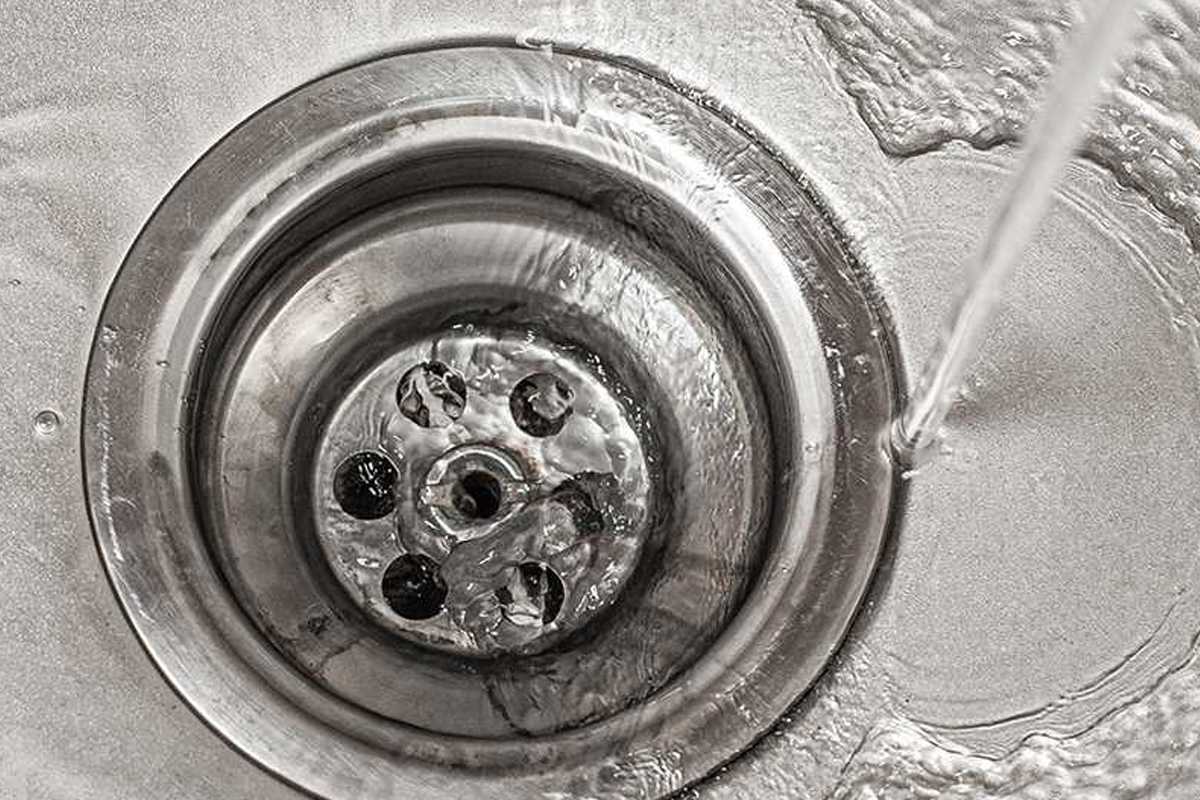
Will my system stop working if the fan motor fails?
In most cases, yes. Without proper airflow, the system cannot operate correctly and may shut down to prevent damage.

Cooling Services

Pricing - General Drain Services - Image 1

What’s Included

  • Inspection of the affected drain or fixture
  • Identification of blockage type and location
  • Professional clearing using drain snakes or augers
  • Removal of common clogs (hair, soap scum, grease, debris)
  • Flow testing to ensure proper drainage
  • Recommendations to prevent future issues

Process Details

  1. Call or request service
    We gather details about the issue and schedule your appointment.
  2. On-site inspection
    Our technician evaluates the drain and checks for signs of blockage or buildup.
  3. Diagnosis and blockage location
    We determine the cause and severity of the clog.
  4. Clear explanation and pricing
    You receive upfront pricing before any work begins.
  5. Drain clearing and final testing
    We remove the clog, restore proper flow, and confirm everything is working correctly.

Why It’s Important

Minor clogs can quickly turn into major backups if left untreated. Professional drain service helps protect your pipes and keeps your plumbing system running smoothly.

Signs You Need General Drain Service

  • Slow-draining sinks, tubs, or showers
  • Recurring clogs in the same fixture
  • Unpleasant odors from drains
  • Gurgling sounds when water drains
  • Water is pooling around the drains
  • Minor backups in sinks or tubs

FAQ's

What is the average cost for general drain services?

General drain services typically range from $150 to $275, depending on the fixture and severity of the clog.
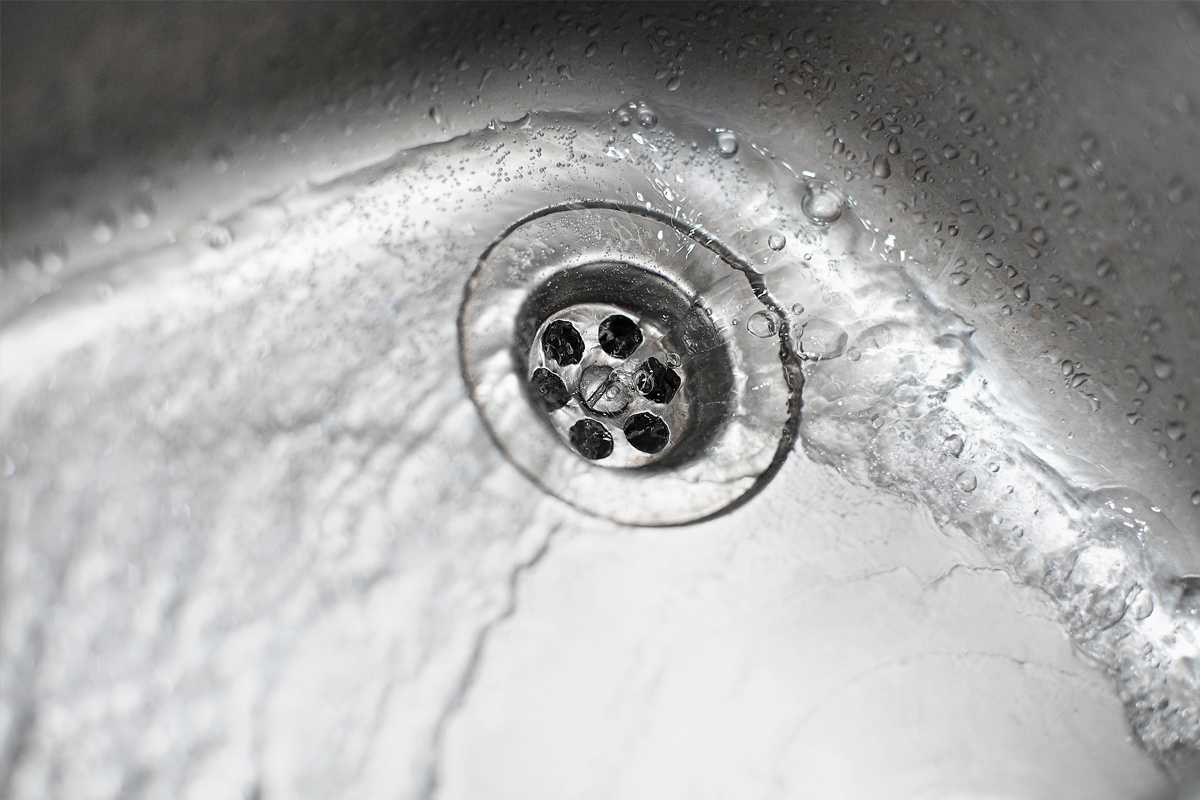
What types of drains does this service cover?
This service is for individual fixtures like sinks, tubs, showers, and laundry drains, not the main sewer line.
What causes most fixture drain clogs?
Hair, soap scum, grease, and small debris are the most common causes of localized clogs.
Can I fix a clogged drain myself?
Simple clogs can sometimes be cleared with basic tools, but deeper or recurring issues usually require professional equipment.
How long does a general drain service take?
Most services are completed within 30 to 60 minutes, depending on how severe the blockage is.

What’s Included

  • Inspection of the main sewer line and cleanout access
  • Identification of blockage type and severity
  • Professional cleaning using high-powered drain machines
  • Removal of roots, grease, sludge, and debris buildup
  • Flow testing to ensure proper drainage
  • Recommendations for maintenance or further repair if needed

Process Details

  1. Call or request service
    We gather details about symptoms like multiple backups or slow drains.
  2. On-site inspection
    Our technician checks your system and confirms the issue is in the main sewer line.
  3. Diagnosis and cleaning method selection
    We determine the best approach based on the type of blockage.
  4. Clear explanation and pricing
    You receive upfront pricing before any work begins.
  5. Main line cleaning and final testing
    We clean the line, restore proper flow, and confirm the issue is resolved.

Why It’s Important

The main sewer line handles waste from your entire home. Keeping it clean prevents backups, protects your plumbing system, and reduces the risk of major repairs.

Signs You Need Main Sewer Line Cleaning

  • Multiple drains are clogging at once
  • Sewage odors inside or outside the home
  • Water backing up into tubs or floor drains
  • Gurgling noises from toilets or drains
  • Slow drainage throughout the house
  • Recurring clogs in different areas

FAQ's

What is the best way to clean a main sewer line?
The most effective methods are professional snaking to break up blockages and hydro jetting to fully clean grease and buildup from the pipe walls.
How often should your main sewer line be cleaned?
Most homes benefit from cleaning every 1 to 2 years, especially if you have older pipes or a history of backups.
How long does it take to clear a main sewer line?
Most jobs take 1 to 3 hours, though severe blockages like heavy root intrusion can take longer.
What’s the difference between mainline cleaning and hydro jetting?
Mainline cleaning removes blockages, while hydro jetting uses high-pressure water to thoroughly clean the entire pipe and prevent future issues.
What are the signs your sewer line needs cleaning?

Common signs include multiple slow drains, backups, foul odors, and gurgling sounds from toilets or drains.
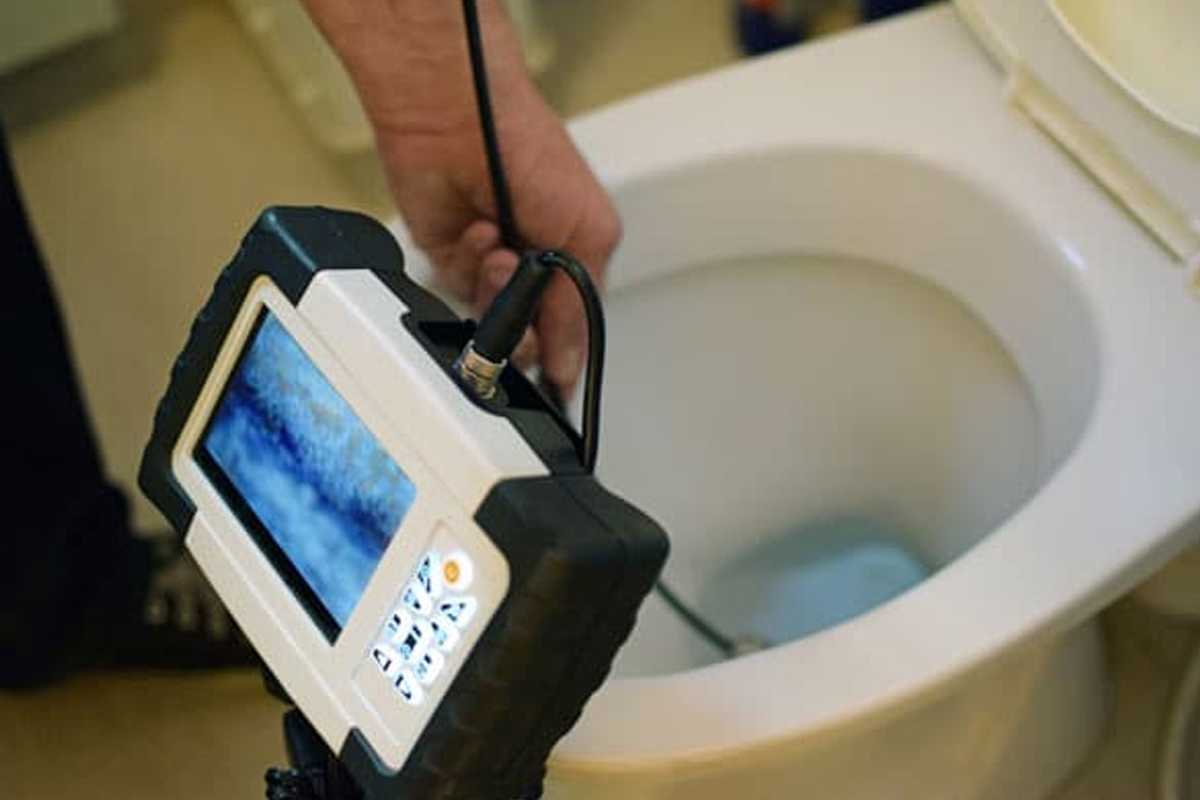
Pricing - Main Line Camera Inspection - Image 1

What’s Included

  • High-resolution camera inspection of the main sewer line
  • Identification of blockages, cracks, root intrusion, or pipe damage
  • Real-time video analysis during the inspection
  • Accurate location of problem areas within the line
  • Recommendations for repair, cleaning, or replacement if needed

Process Details

  1. Call or request service
    We gather details about your issue and schedule the inspection.
  2. Access and setup
    Our technician locates the main cleanout and prepares the camera equipment.
  3. Camera inspection
    We run a specialized camera through the sewer line to assess its condition.
  4. Diagnosis and findings
    We identify any blockages, damage, or problem areas in real time.
  5. Review and recommendations
    We walk you through the findings and recommend the best next steps.

Why It’s Important

A camera inspection removes guesswork. It allows us to pinpoint exact issues inside your sewer line without digging, saving time and avoiding unnecessary repairs.

Signs You Need a Camera Inspection

  • Recurring drain or sewer backups
  • Slow drainage throughout the home
  • Suspected tree root intrusion
  • Buying or selling a home
  • Unknown cause of plumbing issues
  • Previous repairs that need verification

FAQ's

How much does a sewer line camera inspection cost?
Sewer camera inspections typically range from $275 to $500, depending on the line length and access.
Is it worth getting a sewer line inspection?

Yes. It helps catch problems early, avoid costly repairs, and gives you leverage if issues are found during a home purchase.
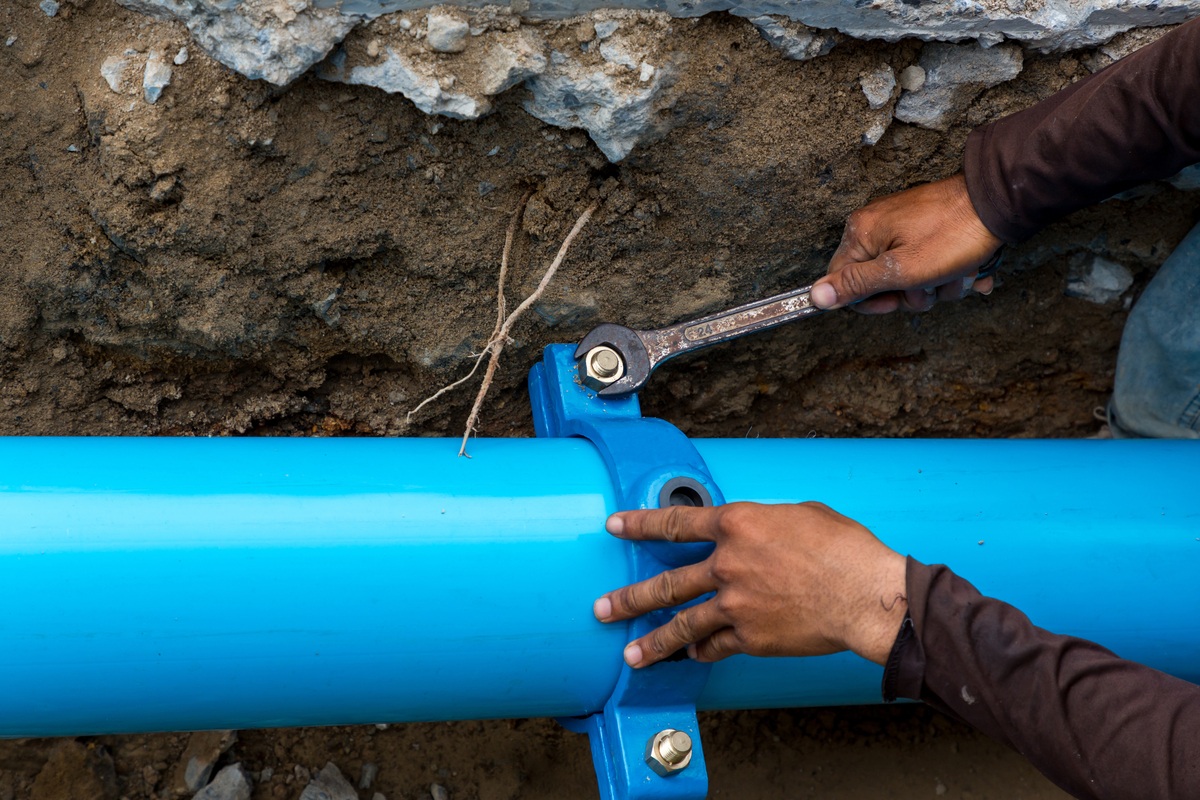
Do plumbers use video cameras to inspect sewer lines?
Yes. We use high-resolution cameras to inspect the line in real time and accurately diagnose issues without digging.
Can a sewer camera detect blockages?
Yes. It can identify clogs, root intrusion, buildup, and even structural damage inside the pipe.
Will I be able to see the camera inspection results?
Yes. We walk you through the footage and explain exactly what we’re seeing so you understand the condition of your sewer line.ral damage inside the pipe.
Pricing - Trenchless Sewer Replacement - Image 1

What’s Included

  • Inspection and assessment of the existing sewer line
  • Minimal-access trenchless replacement (pipe lining or pipe bursting)
  • Replacement of damaged or deteriorated pipe sections
  • Connection to existing plumbing system
  • System testing and flow verification
  • Site cleanup with minimal disruption to landscaping

Process Details

  1. Call or request service
    We gather details about your issue and schedule an evaluation.
  2. Camera inspection and assessment
    We inspect the sewer line to confirm damage and determine if trenchless replacement is the right solution.
  3. Method selection and planning
    We choose the best approach, such as pipe lining or pipe bursting, based on your pipe condition.
  4. Clear explanation and pricing
    You receive upfront pricing and a clear breakdown of the process before work begins.
  5. Replacement and final testing
    We complete the trenchless installation, restore flow, and verify system performance.

Why It’s Important

Trenchless sewer replacement allows you to fix major sewer line problems without tearing up your yard, driveway, or landscaping. It’s faster, less invasive, and often more cost-effective than traditional excavation.

Signs You Need Sewer Line Replacement

  • Frequent backups or recurring clogs
  • Sewer line collapse or severe damage
  • Tree root intrusion is causing ongoing issues
  • Foul odors coming from drains or the yard
  • Soggy or sunken areas in your yard
  • Older pipes made from clay or cast iron

FAQ's

How long does a trenchless sewer line last?
Most trenchless sewer lines last 50+ years, especially with proper use and maintenance.
Can you replace a sewer line without digging?
Yes. Trenchless methods allow us to repair or replace your sewer line through small access points without major excavation.
Will insurance pay for a new sewer line?
Insurance may cover damage from sudden events, but most policies do not cover issues caused by wear, corrosion, or root intrusion.
Is trenchless sewer replacement safe for older homes?

Yes. It’s often a great option for older homes because it avoids major digging and works well with existing pipe layouts.

How do I know if trenchless replacement is right for my home?

A camera inspection is the best way to determine eligibility. We evaluate the pipe condition and recommend the most effective solution.

Pricing - Hydro Jetting Services - Image 1

What’s Included

  • Inspection of the affected drain or sewer line
  • High-pressure water jetting to remove grease, sludge, and buildup
  • Clearing of tough blockages and residue along pipe walls
  • Full line cleaning, not just spot clearing
  • Flow testing to ensure proper drainage
  • Recommendations for maintenance or further repair if needed

Process Details

  1. Call or request service
    We gather details about your issue and determine if hydro jetting is the right solution.
  2. On-site inspection
    Our technician evaluates the line and may perform a camera inspection if needed.
  3. System assessment and preparation
    We confirm pipe condition and ensure it can safely handle high-pressure cleaning.
  4. Clear explanation and pricing
    You receive upfront pricing before any work begins.
  5. Hydro jetting and final testing
    We use high-pressure water to clean the entire pipe, then test the flow to confirm the results.

Why It’s Important

Hydro jetting doesn’t just clear clogs. It fully cleans the inside of your pipes, helping prevent future blockages and improving overall system performance.

Signs You Need Hydro Jetting

  • Recurring clogs despite previous cleaning
  • Grease buildup in kitchen drains
  • Slow drainage throughout the home
  • Frequent backups in the same line
  • Foul odors coming from drains
  • Older pipes with heavy buildup

FAQ's

What does hydro jetting do?
Hydro jetting uses high-pressure water to fully clean the inside of your pipes, removing grease, sludge, roots, and debris to restore full flow.
How much does hydro jetting cost?
Hydro jetting typically ranges from $350 to $600, depending on the condition and length of the line.
Is hydro jetting worth it?
Yes. It’s the best solution for stubborn or recurring clogs because it cleans the entire pipe, not just the blockage.
How long does hydro jetting last?
Results typically last 1 to 3 years, depending on usage and pipe condition.
Is hydro jetting better than snaking?
Yes, for long-term results. Snaking clears a path through the clog, while hydro jetting fully cleans the pipe walls to help prevent future buildup.

Financing Options

We offer flexible financing to help manage larger projects:

Free Estimates

Get your FREE, no-obligation estimate:

What’s Included:

Why Our Pricing is Different

No Commission-Based Sales

Our technicians are paid hourly, not on commission. This means they recommend what you need, not what pays them more.

Price Match Guarantee

Find a lower price from a licensed, insured competitor? We’ll match it and take off an additional 5%.

Satisfaction Guarantee

Not happy with our work? We’ll make it right or refund your money – guaranteed.

Frequently Asked Questions

Do you charge for estimates?
No! All estimates for repairs and installations are completely free.
Are your prices competitive?
Yes! We regularly review local market rates to ensure fair, competitive pricing while maintaining the highest quality standards.
Do you offer emergency services?
Yes, we offer 24/7 emergency services. After-hours rates apply for evenings, weekends, and holidays.
What forms of payment do you accept?

We accept cash, check, all major credit cards, and offer financing options for qualifying customers.

Are there ways to save money?

Yes! We offer:

  • Service agreement discounts (15-20% off repairs)
  • Senior citizen discounts
  • Military discounts
  • Seasonal promotions
  • Multi-service bundling discounts

Schedule Now

Give Us A Call!
(913) 214-8770

Name(Required)